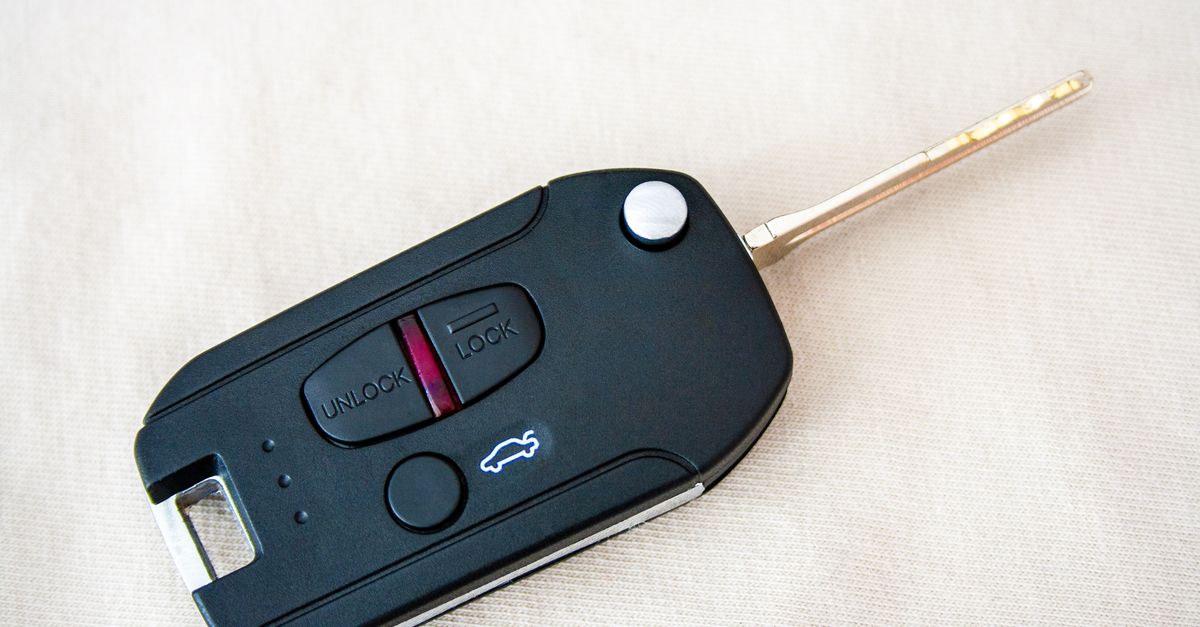
Understanding Audi Key Technology: Why Replacement Is More Complex Than It Looks
Audi has progressively layered its key security over the decades. Older models from the late 1990s and early 2000s use basic transponder chips that must be matched to the vehicle's immobilizer before the engine will start. Mid-generation Audis introduced rolling-code remote fobs, where the transmitter and receiver must be synchronized — simply cutting a blade to the correct profile is not enough. Newer Audi models, including the A6, Q7, Q8, and e-tron lineup, rely on Audi's Advanced Key or Comfort Key proximity system: the car detects the encrypted smart key passively, unlocks the doors as you approach, and starts via a push button. Each generation requires different equipment, different software, and technicians who genuinely understand the platform — not a one-size-fits-all key machine.
This complexity is exactly why dealerships have traditionally held a near-monopoly on Audi key services, often requiring you to tow the vehicle in, wait days for parts, and pay steep service department rates. Our team uses professional-grade automotive key programming equipment capable of reading and writing to Audi's immobilizer modules directly, all without dismantling interior panels or risking damage to your vehicle's electronics. We carry a curated stock of Audi-compatible key blanks, fob shells, and transponder chips so that most replacements — from a standard flip key to a full smart-key system — can be completed in a single visit.