What Is a Mortise Lock and Why Toronto Doors Still Rely on Them
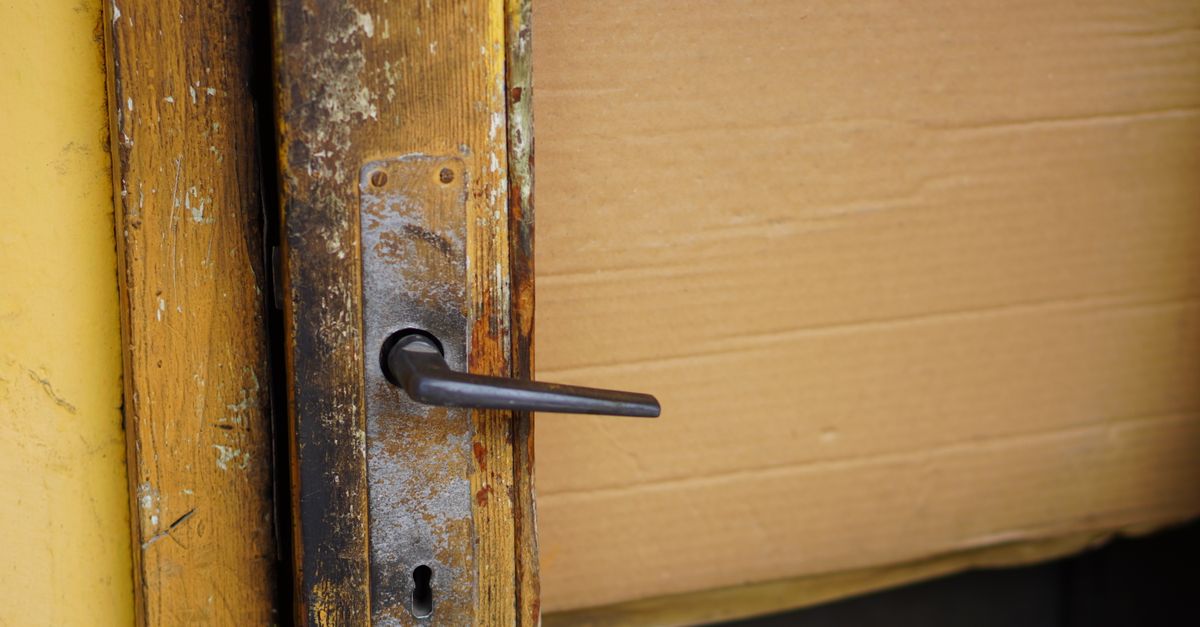
A mortise lock gets its name from the mortise — the deep rectangular cavity cut into the edge of the door. The lock case, which contains the latch, deadbolt, spindle, and internal cam mechanism, sits entirely inside that cavity. Only the faceplate, knob or lever rose, and escutcheon are visible from the surface. This recessed design distributes kick-force across the entire door stile rather than concentrating stress on two or three screws the way a cylindrical lockset does, which is why architects specified mortise lock sets for exterior doors on Toronto's older institutional and residential buildings for decades. Many of those locks — including Corbin Russwin mortise lock bodies and Baldwin mortise lock trim — are still in daily use in the Annex, Leslieville, and Rosedale, often having outlasted the original owners several times over.
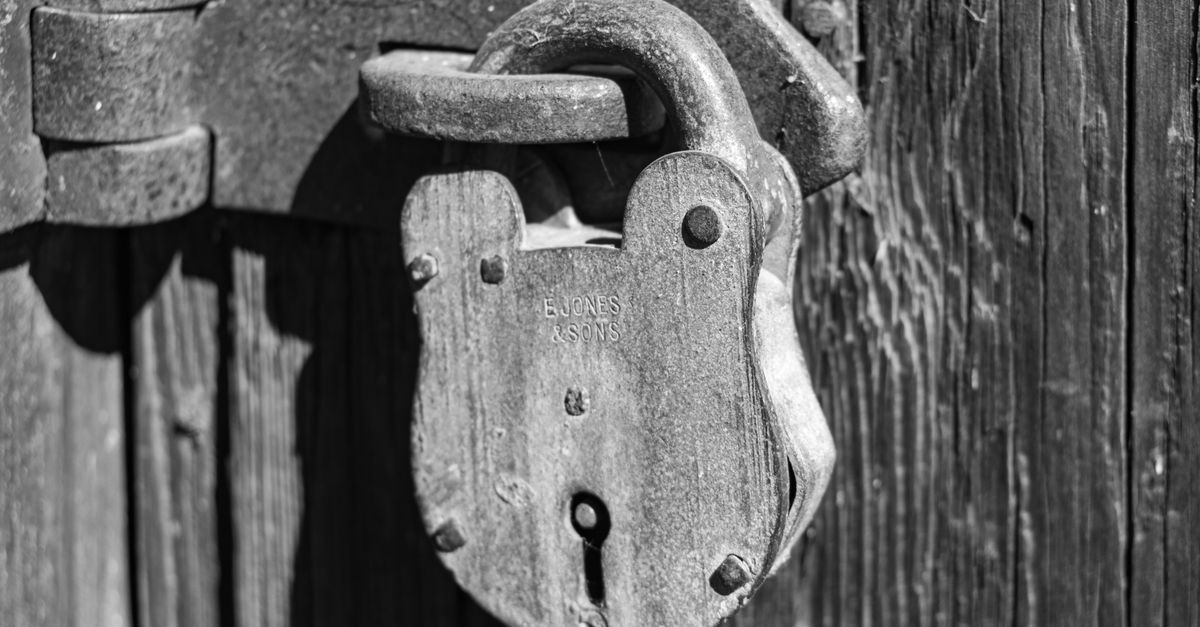
The trade-off is complexity. A mortise lock cylinder, the removable plug that accepts the key, is separate from the case and can wear, crack, or be compromised independently. The internal cam that connects cylinder rotation to bolt throw can strip. The latch spring fatigues. The tailpiece that links an interior thumbturn to the deadbolt can shear if the door is forced. When any one of those components fails, the entire lock may feel stiff, fail to latch, or refuse to deadlock — and because the mechanism is hidden inside the door, diagnosing the problem requires disassembly by someone who knows what they are looking at.