Ontario Shield Lock and Key Experts Service Team
Local locksmith team
Sep 19, 2026 13 min read
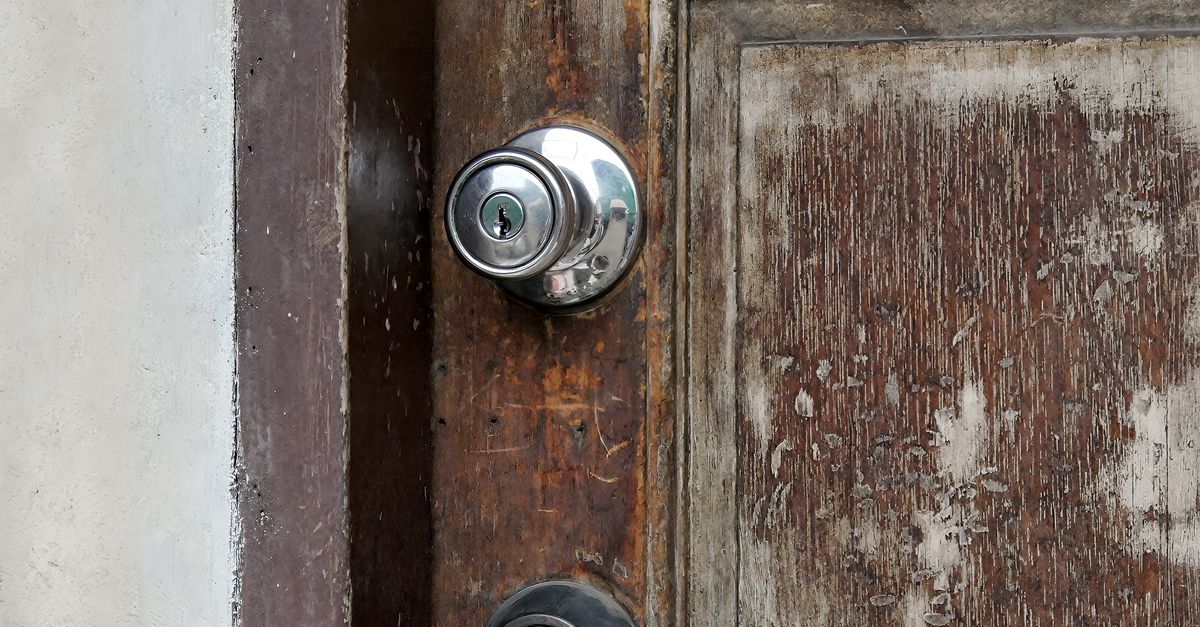
You step outside on a January morning in Toronto, the temperature has dropped overnight, and suddenly your door knob lock won't budge. Whether you're on a tree-lined street in the Annex, a condo corridor in Liberty Village, or a semi-detached in Scarborough, a seized or sticking knob lock is one of the most common — and most frustrating — cold-weather calls we handle. The good news: many causes are fixable in minutes. The bad news: some are warning signs that your lock is well past its service life and needs replacing before it fails completely at the worst possible moment.
This guide walks you through why a lock door knob sticks or seizes, what you can do safely on your own right now, and how to recognize when lubrication and DIY tricks simply won't cut it anymore. We'll also cover when a mortise lock upgrade makes more sense than patching an aging knob lock — and what factors shape the cost of professional service so you know exactly what to expect before any work begins.
## Why a Door Knob Lock Seizes — Especially in a Toronto Winter
Toronto's freeze-thaw cycle is genuinely brutal on residential hardware. Temperatures can swing from –20°C to above freezing and back within 48 hours, and that expansion-and-contraction stress works its way into every component of a door knob with lock and key — the cylinder, the latch bolt, the spindle, and the rose plate. Water from freezing rain or blowing snow migrates into the keyway, then freezes inside the pin stack, pushing the driver pins out of alignment. Even a lock that turned smoothly in October can become completely immovable by February. This is not a sign of a cheap lock; it happens to quality Schlage and Kwikset hardware alike when maintenance has been skipped.
Beyond cold weather, there are several other common culprits. Door frames shift and sag over time — especially in older Toronto homes built before the 1970s — causing the latch to bind against the strike plate rather than sitting squarely inside it. Interior door knob locks, including a door knob with lock for bedroom or bathroom use, can seize from humidity, dust build-up inside the mechanism, or a worn spindle that no longer engages the latch properly. And in some cases, the lock itself has simply reached the end of its mechanical lifespan: internal springs fatigue, cams crack, and the cylinder housing develops enough play that the plug no longer rotates cleanly.
## Safe First Steps Before You Call a Locksmith — What Homeowners Can Actually Do
Before anything else, rule out the simple fixes. Check whether the door itself is swollen or shifted: push firmly on the door while turning the knob — if that helps, a misaligned strike plate is the likely cause, not the lock cylinder. Next, try a dry graphite lubricant (the kind sold in a squeeze tube at any hardware store) sprayed directly into the keyway. Graphite works better than WD-40 in cold conditions because it doesn't attract grit or freeze. Insert your key and work it in and out several times to distribute the lubricant through the pin stack. If the lock responds even slightly, repeat the process and give it five minutes before testing with the full turn.
If the problem is an iced-up cylinder specifically — common after a freezing rain event along the Lakeshore or anywhere the wind drives moisture into north- or east-facing entrances — a dedicated lock de-icer spray, or even briefly warming the key with your hands before inserting it, can free frozen pins without forcing anything. What you should never do is force the key with heavy torque or try to wedge the knob open with a tool. Forcing a partially seized knob lock snaps keys, damages the cylinder plug, and can crack the knob housing entirely, turning a simple lubrication job into an emergency replacement. If you are already locked out and none of the above is accessible, the safest step is to check for a secondary entrance or a spare key with a neighbour — then call a qualified locksmith to handle entry without damaging your door.
## Warning Signs Your Door Knob Lock Needs Replacing, Not Just Lubricating
Lubrication solves a maintenance problem. It does not fix a mechanical failure. If you've applied graphite and the lock still grinds, skips, or requires a two-handed twist to operate, the internal mechanism is worn beyond the point where any lubricant will restore reliable function. Specific warning signs that replacement is the right call include: the key turns but the latch doesn't move (a broken cam or tailpiece); the knob spins freely without resistance (a failed spindle coupling); the lock opens without the key being fully inserted (worn pin stack where security is already compromised); and visible corrosion on the face of the cylinder or inside the keyway that has pitted the brass. Any one of these symptoms means the lock is no longer performing its core job — keeping your home secure.
There is also a security threshold worth knowing. Residential knob locks — even quality ones — are not considered high-security hardware by modern standards. They are a secondary layer, typically paired with a deadbolt on an exterior door. If your door knob with lock is the only lock on that door, or if your deadbolt is similarly aged, this is the moment to talk to a professional about upgrading to a mortise lock. A mortise lock body sits inside the door edge rather than surface-mounting, making it significantly more resistant to the kind of forced-entry attacks that target knob locks specifically. Ontario Shield Lock and Key Experts install and service mortise lock hardware on both residential and commercial doors across Toronto — if you're uncertain which direction to go, a quick call to (647) 370-7387 gets you a straight, no-obligation answer from someone who can actually look at your door.
## Mortise Lock vs. Knob Lock — Understanding Your Upgrade Options
A standard door knob with lock and key is a cylindrical lock: the entire mechanism fits inside a cylindrical bore drilled through the door. It works fine for interior doors and as a secondary layer on many exterior doors. A mortise lock, by contrast, requires a rectangular pocket — the mortise — to be cut into the door edge, and the lock body slots into that pocket. This makes the hardware part of the door's structure rather than something bolted onto it. Mortise locks have been the standard on commercial doors for decades, and they are increasingly common on residential exterior doors, particularly in urban Toronto neighbourhoods where security expectations are higher. They handle daily use, forced-entry attempts, and temperature extremes more reliably over a longer service life.
As a commercial locksmith team that works across the Greater Toronto Area, Ontario Shield Lock and Key Experts handle mortise lock installation, cylinder re-keying, and full replacement on everything from single-family homes to multi-unit residential buildings and retail storefronts. When a business on King Street West or Yonge Street needs a lock that can handle hundreds of daily operations without degrading, a mortise lock is almost always the right recommendation. For homeowners, the same logic applies when you are replacing an exterior knob lock that has already failed once — spending a little more on the right hardware upfront eliminates the next service call.
## What Shapes the Cost of Lock Service — and How We Price It
One of the most common questions we get as an emergency locksmith team is: how much will this cost? The honest answer is that the final quote depends on several specific factors, and we confirm every price upfront before any work begins — no surprises at the end of the job. The factors that shape the quote include: the type of lock involved (a basic cylindrical knob lock costs less to replace than a mortise lock with a multi-point system), the time of day the call comes in (overnight and weekend calls involve different labour considerations than a weekday afternoon), the travel distance to your location within Toronto or the surrounding area, and whether parts need to be sourced from our van stock or a specialty supplier. We carry a wide range of hardware on our mobile units, so most residential and commercial lock replacements can be completed in a single visit.
What we never do is quote one number on the phone and present a different number at your door. When you call (647) 370-7387, we ask the right questions upfront — door type, lock type, whether it's an emergency lockout or a planned replacement — and give you a confirmed price before our technician starts work. That's true whether you're dealing with a seized door knob lock at 2 a.m. in North York or planning a mortise lock upgrade for a commercial property in Etobicoke. Knowing what you'll pay before you say yes is the only fair way to do business.
## When to Call an Emergency Locksmith — and What to Expect
Some lock problems can wait until morning. A stiff knob lock on an interior bedroom door, or a lock that works with effort but hasn't fully failed yet, gives you time to schedule a service call. But several situations call for an emergency locksmith immediately: you are locked out of your home and have no spare key or alternative entry point; your lock has failed in the open position, meaning your door will not fully secure; your key has broken off inside the cylinder; or you've discovered signs that your lock has been tampered with. In all of these cases, waiting creates either a safety risk or a security risk — neither of which improves overnight.
Ontario Shield Lock and Key Experts operate 24 hours a day, seven days a week, across Toronto and the surrounding area. Our mobile units are stocked for the most common residential and commercial lock scenarios — knob lock replacement, mortise lock service, deadbolt re-keying, lockout response — so we can handle most calls in a single visit without ordering parts. When you call, you'll speak directly with a team member who will confirm your address, describe the service steps, and give you a confirmed price before dispatching. If you're currently dealing with a lock emergency, call (647) 370-7387 right now — we answer every call, every hour.
## Our Locksmith Services Across Toronto — What We Handle
Ontario Shield Lock and Key Experts provides the following services to residential, commercial, and automotive customers throughout the Toronto area: residential lockout response, commercial lockout response, car lockout response, door knob lock replacement, deadbolt installation and replacement, mortise lock installation and servicing, mortise lock cylinder replacement, mortise lock re-keying, knob lock re-keying, master key system design and installation, high-security lock upgrades, smart lock installation, keypad lock installation, sliding door lock repair and replacement, patio door lock service, mailbox lock replacement, storage unit lock replacement, padlock removal and replacement, lock re-keying after tenant changeover, eviction lock change service, broken key extraction from cylinder, broken key extraction from ignition, car key replacement (push-to-start and traditional), transponder key programming, key duplication (residential and commercial), safe opening and combination change, security consultation for residential properties, commercial-grade door hardware installation, and multi-point locking system service. If your specific need isn't listed here, call us — our team handles a wide range of situations that don't fit a standard category.
Frequently asked questions
Why does my door knob lock keep freezing in winter even after I lubricate it?+
If graphite or lock de-icer isn't holding the freeze at bay for more than a few days, moisture is likely getting into the cylinder faster than the lubricant can protect it. Check whether your door has adequate weatherstripping around the frame — a gap at the top or side of the door lets freezing rain and wind-driven snow reach the keyway directly. Also examine the cylinder face itself: pitting or visible corrosion means the metal has deteriorated to the point where it traps and holds moisture. At that stage, re-lubricating is a short-term fix only, and replacing the cylinder or the entire lock is the lasting solution. Toronto's freeze-thaw cycle is hard on any exterior hardware that isn't properly sealed and maintained going into winter.
Is it possible to pick a door knob lock if I'm locked out of my own home?+
Technically, cylindrical knob locks are among the more pick-susceptible lock types, which is part of why locksmiths often recommend pairing them with a deadbolt or upgrading to a mortise lock for exterior doors. However, attempting to pick a lock yourself — without trained tools or technique — almost always results in damage to the pin stack or plug, turning a lockout into a lock replacement. More practically, doing so on an exterior door can raise concern with neighbours or passersby. The right approach when you are locked out is to check for a spare key, try a secondary entrance, and then call a qualified locksmith. A trained technician can verify ownership, open the door without damage in most cases, and advise you on whether the lock should be rekeyed or replaced afterward to maintain security.
How do I know if I need a mortise lock instead of replacing my old knob lock with a new one?+
A few situations make a mortise lock the stronger choice. If your exterior door relies on a knob lock as its primary or only locking point, a mortise lock provides a meaningful security upgrade because the hardware is embedded in the door rather than surface-mounted, making it harder to defeat by force. If you own a commercial property and the door sees heavy daily traffic, a mortise lock body is engineered for far more cycles than a standard cylindrical knob lock. And if you are already replacing a failed lock, the incremental cost difference between a new knob lock and a mortise lock installation may be smaller than you expect when weighed against the longer service life and added security. Our team can assess your specific door and give you a straightforward recommendation — call (647) 370-7387 to talk it through.
What factors affect how much a lock replacement costs in Toronto?+
Several things shape the final price, and we confirm every quote before starting work so there are no surprises. The main factors are: the type of lock being installed (a basic knob lock differs from a mortise lock with a multi-point system in both parts cost and installation time), the time of day the work is done, the travel distance to your location in the Toronto area, and whether the hardware you need is already on our service van or has to be sourced. An emergency call at 3 a.m. involves different labour considerations than a daytime appointment. When you call (647) 370-7387, tell us your door type, your current lock, and whether it's urgent — we will give you a confirmed, up-front price before any work begins.